
How to Select Living Room Furniture for Everyday Relaxation

Choosing the right living room furniture isn’t about following trends or impressing guests; it’s about creating a space where you genuinely unwind after a long day. This guide focuses on selecting living room furniture that feels good every single day, not just pieces that photograph well. Whether you’re collapsing onto the sofa after work, stretching out for a Sunday nap, or settling in for movie nights with family, your furniture choices should support how you actually live.
Most of us spend hours in our living space each week, yet we often pick furniture based on showroom impressions rather than real-world comfort. In the sections ahead, you’ll find concrete dimensions, material recommendations, and layout tips that help you make faster, more confident decisions. The goal is simple: turn your living room into a genuinely relaxing space that works for your daily life.
Start with How You Actually Relax at Home
Before browsing sofas or measuring for a sectional sofa, take a few minutes to picture a typical weekday evening. Say it’s 7 pm, you’ve finished dinner, and you have three hours before bed. Where do you sit? What do you do? Now picture a Sunday morning, are you reading with coffee, stretching out for a nap, or watching something while kids play nearby? Your answers point directly to the furniture pieces you need.
Different relaxation habits require different furniture solutions. Consider how each of these activities shapes your requirements:
-
Watching a 2-hour movie: Deep, soft seats with good back support let you shift positions without discomfort
-
Scrolling on a tablet or phone: Wide armrests that double as mini tables keep devices within reach
-
Playing with kids on the floor: Lower seating makes it easier to move between the sofa and rug
-
Taking weekday naps: A chaise end or long enough sofa where feet rest flat matters more than armchair quantity
-
Reading for an hour or more: Upright back support with a floor lamp nearby prevents neck strain
-
Stretching or yoga: Clear floor space around furniture becomes essential
Families who host game nights twice a month need more upright accent chairs and surface area for snacks and drinks. Couples who binge-watch series most weekends need deeper, lounge-friendly seating where both people can stretch out. A household where someone works from the sofa daily needs firmer support than a home where the living room is purely for unwinding.
Before visiting any showroom, measure your room’s length, width, and ceiling height. Note obstacles like radiators, media units, or a large window you want to keep unobstructed. Mark any doors that swing into the space or hallways that need clear traffic flow. These measurements become your guardrails for choosing furniture that fits both physically and functionally.
Your Relaxation Habit Checklist:
-
How many hours per day does someone sit in the living room?
-
What’s the most common activity: TV, reading, conversation, or work?
-
How many people typically use the room at once?
-
Do you prefer upright sitting or full-body lounging?
-
Is napping a regular occurrence?
-
How often do you host guests who need seating?
-
Are there children or pets who share the space daily?

Defining the Space: Setting Boundaries for Relaxation
A truly relaxing living room starts with a well-defined space. Setting boundaries within your living area helps transform it from a catch-all zone into a tranquil retreat where you can truly unwind. The way you select and arrange your living room furniture plays a major role in establishing these boundaries and creating a sense of calm.
Begin by considering the dimensions of your living room and how natural light enters the space. Use furniture pieces strategically to carve out a dedicated seating area that feels both inviting and contained. In a large living room, a sectional sofa can anchor the main seating zone, naturally guiding traffic flow and giving the room structure without the need for walls or dividers. For smaller spaces, a compact sofa paired with a couple of accent chairs can create a cozy nook that feels intimate and restful.
Think about how each piece of room furniture contributes to the overall balance of the space. Avoid overcrowding, leave enough room for easy movement, but ensure the seating area feels distinct from other parts of the home, such as the dining room or entryway. Positioning your main seating to take advantage of natural light not only enhances relaxation but also makes the space feel more open and serene.
By thoughtfully defining the boundaries of your living room with the right furniture pieces, you create a dedicated zone for relaxation that feels separate from the busyness of daily life. This intentional approach helps your living room become a true sanctuary, supporting both comfort and peace of mind.
Choose a Relaxation-First Sofa as Your Anchor Piece
The main sofa handles the majority of sitting hours in most homes, making it the first and most important piece to select carefully. A quality sofa that supports your body properly can transform everyday living from tolerable to genuinely restorative. This is where you should spend the most time and budget in your living room furniture selection.
For everyday use in medium-sized rooms, a standard 3-seater measuring around 84 to 90 inches (213 to 229 cm) provides enough space for two or three adults to sit comfortably. In smaller apartments or a small living room, look for compact options between 72 and 78 inches (183 to 198 cm) that still offer decent seat depth without overwhelming the floor plan.
Seat depth ranges for different habits:
-
21 to 24 inches (53 to 61 cm): Ideal for upright sitting, reading, and working from the sofa
-
25 to 28 inches (64 to 71 cm): Better for lounging, napping, and long TV sessions where you shift positions
For cushion construction, prioritize high-resilience foam cores with a softer top layer. Medium-firm, high-density foam maintains shape through years of daily compression, while a down or down-alternative wrap adds surface comfort. This combination feels supportive when you first sit down and stays comfortable through a three-hour movie.
Frame materials matter for durability in high-use furniture. Kiln-dried solid wood or quality metal supports handle the stress of daily sitting without creaking or sagging. If your family uses the sofa heavily, kids jumping, pets climbing, and adults flopping down after work, the frame needs to withstand that repeated impact.
Example layout for a 12’ x 16’ living room:
An 84-inch sofa centered on the longer wall leaves roughly 36 inches of walking space behind and 48 inches in front for a coffee table and traffic flow. This size works as the primary seating without making the entire room feel like a furniture showroom.
Picking Sofa Styles That Match Your Daily Relaxation
The shape of your sofa affects relaxation as much as its cushions. Straight 3-seat sofas fit most rooms and work well when paired with separate ottomans or chairs. L-shaped sectionals create built-in lounging space but require larger living areas. An L-shaped sectional roughly 9’ x 9’ works well in a 14’ x 18’ room with 30 to 36 inches (76 to 91 cm) of walking space around it.
Chaise-end sofas suit solo loungers or couples who like to stretch out during long TV sessions. The built-in chaise gives at least one seat where feet rest flat, eliminating the need for a separate ottoman. For people who mostly read or work from the sofa, a two-cushion configuration with firmer backs provides better postural support than deep, sink-in designs.
In a small living room, a straight sofa plus a separate ottoman can mimic a chaise layout while staying more flexible. The ottoman moves aside when guests visit, opens up floor space for exercise, or serves as extra seating during gatherings. This arrangement offers more versatility than a fixed sectional in tight quarters.
Considerations by style:
-
Straight sofas: Most versatile, fit various room shapes, easy to pair with other pieces
-
L-shaped sectionals: Define space in open floor plan layouts, offer built-in lounging, harder to rearrange
-
Chaise-end sofas: Great for stretching out, asymmetrical look, may limit furniture placement options
-
Modular pieces / Modular sofas: Modular sofas allow for customizable configurations to suit changing seating needs, enhancing comfort for frequent sitters. You can reconfigure them over time, making them ideal for open-plan spaces or evolving layouts. Quality varies widely.
Comfort Details: Seat Height, Back Height, and Arm Style
Standard seat heights between 17 and 19 inches (43 to 48 cm) from floor to cushion top accommodate most adults and allow feet to rest flat on the floor. This range supports good circulation during extended sitting sessions. Slightly lower seats, around 15 to 17 inches, create a more casual, lounge-focused feel but can make standing up harder for older adults or anyone with mobility concerns.
Back height significantly impacts how long you can sit comfortably. A back that reaches your shoulder blades, typically around 32 to 38 inches (81 to 97 cm) overall sofa height, supports your upper back during longer sessions. High-back options that extend near head height provide additional neck support, which matters if you tend to doze off while watching TV or reading.
Arm styles affect both comfort and function in ways people rarely consider before buying:
-
Wide, flat arms: Double as mini tables for books, phones, or a coffee cup, reducing visual clutter by eliminating the need for extra side tables
-
Gently rolled arms: Comfortable for side sleepers on the sofa, supportive for leaning during conversation
-
Low, narrow arms: Save space in tight rooms but offer less lounging comfort and no surface area
-
Track arms (square): Clean look, moderate comfort, work well with throws draped over them
When shopping, test real-world comfort by sitting for at least 5 to 10 minutes on a showroom piece. Shift positions, lean back, pretend you’re watching TV. For online purchases, check detailed dimensions and read user reviews specifically mentioning “seat firmness” and “back support”; these tell you more than generic comfort ratings.
Pair Your Sofa with the Right Chairs for All-Day Comfort
A truly relaxing space offers more than one good seat, especially when multiple people use the living room daily. The sofa handles primary lounging, but comfortable furniture in chair form provides options for different activities and prevents everyone from competing for the same cushion.
In medium or large living rooms, aim for at least one seat beyond the sofa, ideally two matching chairs or a mix of styles. Position additional seating within 8 to 9 feet (2.4 to 2.7 m) of the main sofa. This distance keeps conversation comfortable without anyone needing to raise their voice, while still allowing each seat to feel like its own space.
Chair types for different purposes:
-
Upright accent chairs: Firm seat cushions resist sinking during daily use, better for reading or laptop work
-
Lounge chairs with deeper seats: Support extended TV watching and casual conversation
-
Reclining chairs: Elevate legs during evening unwinding, particularly helpful for back relief
-
Swivel chairs: Rotate to face different focal points, TV, window, or conversation partner, adding functional flexibility
Match chair seat heights to your sofa height within about 1 inch (2 to 3 cm). When people sit at similar eye levels, conversation feels more natural, and the room looks visually balanced. Mismatched heights create an awkward dynamic where some seats feel dominant, and others feel like afterthoughts.
In multi-purpose rooms where people shift between TV, window views, and conversation throughout the evening, swivel chairs and slim recliners offer flexibility that fixed chairs can’t match. A swivel chair near the window can face morning light during coffee, then turn toward the TV for evening shows.
Example layout for a medium living room:
An 84-inch sofa facing the TV, with two matching chairs angled slightly inward on either side, creates a conversation grouping around a 36 to 40-inch coffee table. The seating area forms a rough U-shape, accommodating both TV viewing and social interaction without rearranging anything.

Ottomans, Chaises, and Footrests for Deeper Relaxation
True full-body relaxation usually requires elevating your legs. Medical professionals often recommend positions where feet sit above heart level for back relief, something a standard sofa seat alone can’t provide. Footrests and storage ottomans bridge this gap while adding functional flexibility to your furniture arrangement.
Ottoman sizing and placement guidelines:
-
A width of 30 to 40 inches (76 to 102 cm) provides a shared footrest for two people sitting side by side
-
Height around 18 inches (46 cm) closely matches standard seat heights for comfortable leg extension
-
Keep 16 to 18 inches (41 to 46 cm) between the sofa and ottoman so the legs stretch fully without hitting the hard edges
-
Rectangular ottomans work better than round ones for actual leg elevation
Multi-functional pieces like storage ottomans hide blankets, remotes, or kids’ toys, keeping the room visually calm even when life gets messy. A tray placed on top transforms the same piece into a coffee table surface during conversation or snacks. This flexibility makes storage ottomans particularly valuable in living spaces that serve multiple purposes throughout the day.
For a single reading chair setup, pair the chair with a dedicated ottoman sized specifically for leg elevation, plus a side table for books and drinks. This configuration creates a defined reading nook that encourages actually using the space for focused relaxation rather than defaulting to the sofa every time.
Pick Cushion Fills and Fabrics That Feel Good Every Day
The materials you touch daily, cushions and fabric, shape your relaxation experience as much as the furniture’s shape. A beautifully proportioned sofa with wrong cushioning feels uncomfortable within weeks. A perfectly firm seat wrapped in scratchy fabric irritates you every time you sit down.
Common cushion fills and their characteristics:
|
Fill Type |
Support Level |
Longevity |
Best For |
|---|---|---|---|
|
High-density foam |
Firm, holds shape |
5-10 years |
Daily heavy use, upright sitting |
|
Foam with fiber wrap |
Medium, balanced |
3-7 years |
Mixed use, comfort + support |
|
Feather/down blend |
Soft, luxurious |
Requires regular fluffing |
Light use, aesthetic priority |
|
All-down |
Very soft |
High maintenance |
Occasional use, allergies permitting |
For living rooms used several hours every day, a “firm seat + softer back” combination works well. The seat cushion maintains posture and prevents that sinking feeling after months of use, while back cushions offer enough give to feel genuinely comfortable during long sessions. This mix provides the practical support that daily life demands while still feeling cozy.
Test cushions properly before buying. Sit for at least 5 minutes in the store, lean back fully, then stand up and notice how you feel. Do you feel stiff? Supported? Like you sank too far and struggled to get up? These quick impressions predict your long-term satisfaction better than any spec sheet.
For households with pets, children, or anyone who eats snacks on the sofa, removable cushion covers save enormous frustration. Spills happen. Crumbs accumulate. Removable covers can go in the washing machine, extending furniture life and keeping your inviting space actually inviting.
Choosing Fabrics for Real Life Relaxation
Fabric choice affects how furniture feels against skin during evening lounging, how it holds up through years of daily contact, and how easily you can clean it when reality happens.
Fabric characteristics for everyday use:
-
Cotton: Breathable, comfortable year-round, but can stain and wear in high-friction areas
-
Linen: Naturally cool, relaxed texture, wrinkles easily, and shows wear patterns
-
Microfiber: Durable, stain-resistant, can feel synthetic against bare skin
-
Performance fabrics: Engineered for durability and cleanability, quality varies by manufacturer
-
Textured weaves: Hide minor marks and add visual interest without bold patterns
Mid-tone, textured fabrics in colors like warm gray, soft tan, or muted blue disguise minor stains better than solid white or jet black. Subtle patterns or slub weaves create visual texture that masks the inevitable marks of a space actually being used for everyday living.
Tightly woven fabrics resist pilling and snagging better than loose weaves, which matters when people sit in the same spot for hours every evening. The friction of daily use eventually damages loose weaves, while tight constructions maintain their appearance longer.
Fabrics to approach carefully:
-
Very smooth or slippery finishes feel uncomfortable when bare skin contacts them in summer
-
Heavily textured bouclé or chunky weaves can snag on jewelry, zippers, and pet claws
-
Dark, solid colors show dust, lint, and pet hair more than mid-tones
-
Light, solid colors show every stain and require frequent cleaning
Size, Layout, and Flow: Make Relaxation Feel Natural
Even the most comfortable furniture won’t feel relaxing if arranging furniture results in a cramped, cluttered, or awkward space. The room feels tense when traffic paths squeeze between pieces or when you have to twist uncomfortably to see the TV. Proper furniture placement creates the conditions for relaxation before you even sit down. A well-arranged living room feels open, comfortable, and easy to navigate, no matter the room's size or shape.
Essential clearance rules:
-
30 to 36 inches (76 to 91 cm) behind sofas and chairs for walkways
-
16 to 18 inches (41 to 46 cm) between the seating and the coffee table for comfortable reach without bumping
-
36 inches minimum for major traffic paths through the room
-
48 inches or more between seating and TV for comfortable viewing distance
Group main seating within about 8 to 9 feet (2.4 to 2.7 m) so conversation flows easily without shouting. This distance also works well for shared TV viewing, keeping everyone at a reasonable angle to the screen. Beyond 9 feet, the space starts feeling disconnected rather than intimate.
Position seating to face your chosen main focal point, whether that’s a TV wall, fireplace, or large window with a view. Identifying and arranging furniture around the natural focal point, such as a fireplace, window, or artwork, helps establish a sense of organization and visual interest in the space. When the primary focal point is obvious and seating orients toward it, the entire room feels more grounded and intentional. This psychological grounding enhances relaxation by reducing visual confusion about where to look or sit.
Sample layout for a small living room (10’ x 12’):
A 72-inch sofa against the longer wall, one accent chair angled in the corner, and a compact 30-inch coffee table leave adequate walkways while defining a clear seating area. The furniture layout focuses inward, creating a cozy living room feeling despite limited square footage.
Sample layout for a medium living room (12’ x 18’):
An 84-inch sofa with chaise end anchors the space, with two swivel chairs opposite for conversation. A 42-inch coffee table centers the grouping, with a floor lamp behind one chair and a console table along the entry wall. This arrangement creates the inviting atmosphere of a dedicated lounging zone while maintaining clear circulation paths.

Creating Relaxing Zones for Different Activities
Dividing your living area into 2 to 3 distinct zones makes the space work harder without feeling chaotic. A primary lounging area handles TV and general relaxation. A reading nook with a comfortable chair and task lighting supports focused attention. A compact work corner with a side table accommodates laptop use if people work from home.
You don’t need walls or room dividers to separate zones. Use the back of a sofa to define the edge of a lounging area. Place a slim console table behind seating to create visual separation from a dining area or entry. Change rug sizes or colors to signal different functional zones within the same open floor plan. Placing the dining table within zones created by rugs, furniture, and visual cues helps define and organize open-plan living spaces, enhancing room flow and functional separation.
Practical zoning example:
The main seating area faces the TV, anchored by a sectional sofa and coffee table. In the corner near a large window, a reading chair sits at an angle with a floor lamp behind it and a small side table beside it. The chair faces slightly away from the TV, creating psychological separation even though it’s only 6 feet from the main seating.
Positioning furniture so people can see the room’s entrance provides subconscious comfort that supports relaxation. We feel more at ease when not surprised by someone entering. This principle, sometimes called the “command position”, applies particularly to primary seating where people spend extended time.
Each zone should maintain clear traffic lanes so moving through the living space never feels stressful. If walking from the kitchen to the bedroom requires weaving between furniture or stepping over ottomans, the room creates tension rather than relieving it.
Creating a Focal Point for Effortless Gathering
Every inviting living room has a focal point, a feature that naturally draws the eye and brings people together. Establishing a focal point is key to making your living space feel cohesive and welcoming, whether you’re hosting friends or simply relaxing with family.
Your focal point could be anything from a striking piece of wall art to a beautiful view framed by a large window, or even a thoughtfully arranged console table topped with decor elements. The goal is to choose something that reflects your style and anchors the room visually. Once you’ve identified your focal point, arrange your living room furniture so that seating faces or orients toward it, making it the heart of your space.
Supporting elements like a floor lamp can enhance the focal point, especially in the evening when layered lighting creates a warm, inviting glow. For example, a cozy reading nook with a comfortable chair, a floor lamp, and a small side table can become a secondary focal point, encouraging effortless gathering and conversation.
Placing your focal point in a spot that’s easily visible from the main seating area, such as above a console table or along the primary wall, ensures it’s appreciated by everyone in the room. This not only adds visual interest but also helps organize the furniture layout, making the entire living room feel more intentional and harmonious.
By creating a clear focal point, you invite people to gather, relax, and enjoy the space together, turning your living room into the true heart of your home.
Lighting, Color, and Shape: Subtle Choices that Boost Calm
Beyond furniture itself, softer shapes, layered lighting, and calm colors make the same pieces feel more relaxing. A sofa in a harsh, fluorescent-lit room with clashing colors creates a different experience than the same sofa in warm, layered light with a cohesive palette.
Place main seating near a window when possible. Natural light during daytime reading or morning coffee provides benefits that no artificial lighting can match. A window bench facing an east-facing window creates a perfect morning ritual spot, while natural light from any direction enhances relaxation throughout the day.
Basic lighting trio for relaxation:
-
Warm ceiling light (not harsh overhead fluorescent) for general illumination
-
At least one floor lamp behind or beside the main sofa for evening reading and ambiance
-
Table lamps near a reading chair or on a console table for focused task lighting
Choose dimmable bulbs in warm white (around 2700 to 3000K color temperature) for evening unwinding. Cooler, bluish light signals alertness to your brain, while warmer tones support wind-down. Dimming capability lets you adjust brightness as evening progresses, moving from fully lit during dinner to softly glowing during pre-bed relaxation.
Keep your color palette simple, 2 to 3 main colors plus 1 to 2 accent tones. Neutral furniture in beige, gray, or soft white creates a serene backdrop that minimizes visual clutter. Add color through throw pillows, throws, and decor elements rather than committing to bold furniture upholstery that might tire you visually over years of daily exposure.
Using Shapes, Textures, and Accessories to Soften the Space
Rounded corners on coffee tables, ottomans, and side tables feel friendlier and enhance everyday ease. They’re also safer when kids play nearby, eliminating sharp edges that cause injuries. This small detail affects how relaxed you feel moving through and using the space.
Layering recommendations for softness:
-
A soft area rug under the main seating area adds warmth and sound-dampening
-
2 to 4 supportive throw pillows on the main sofa, including at least one lumbar pillow
-
One or two textured throws for both visual warmth and actual coziness during cool evenings
-
Natural materials like wood, rattan, or stone in accessories and decor elements
Adding greenery, real or high-quality artificial plants, makes rooms feel more grounded and restorative. Natural elements connect us to the outdoors and soften the harder lines of furniture and architecture. Even one substantial plant in a corner or a few small pots on a console table shifts the room’s feel.
Avoid over-accessorizing. A few intentional pieces, like a tray on the coffee table holding a candle and a small plant, plus one or two personal items on shelves, create visual interest without clutter. Excessive decor creates visual noise that your brain must process, undermining the calm environment you’re trying to create. Clean lines and minimal ornamentation support relaxation more than elaborate styling.
Wall art should complement rather than dominate. A single large piece or a cohesive gallery wall adds personality, but covering every surface with competing visuals creates stress rather than reducing it. Choose art that feels calming to you personally, regardless of trends.
Small and Shared Living Rooms: Everyday Relaxation in Tight Spaces
Many modern homes and apartments have compact living rooms that must serve multiple purposes every day. The same space handles TV watching, working from home, exercise, kids’ play, and hosting occasional guests. Creating genuine relaxation in a limited space requires smarter furniture choices, not just smaller versions of standard pieces.
In a small space, choose a compact sofa around 72 to 78 inches combined with one supportive chair rather than an oversized sectional that crowds the room. Sectionals designed for larger rooms swallow small living areas and leave no flexibility for other activities. A smaller sofa plus a separate chair provides more seating options with better traffic flow.
Space-saving furniture features to look for:
-
Wall-hugging recliners that require only 3 to 4 inches behind them to fully recline
-
Armless chairs or chairs with slim arms that save several inches of width
-
Nesting tables that stack when not in use
-
Storage ottomans that replace both a footrest and a coffee table
-
Wall-mounted shelves instead of floor-standing cabinets
-
Flexible seating, such as modular sofas, ottomans, and chairs that can be moved or reconfigured easily, to maximize versatility and optimize the room layout in small living spaces
Light, neutral furniture with visible legs makes spaces feel more open than dark, bulky pieces that sit directly on the floor. Visual weight matters as much as physical dimensions in tight rooms. That said, one or two darker accent pieces, like a rich-toned chair or wooden side table, add visual interest without overwhelming the space.
For extremely tight layouts, floating furniture away from walls by even 6 to 8 inches can actually make rooms feel larger. This counterintuitive approach creates breathing room around pieces and allows better traffic flow than pushing everything against walls.
Multi-Functional Furniture for Everyday Flexibility
Multi-functional furniture pieces earn their place in small living rooms by doing double duty. A storage coffee table holds board games used every weekend, keeping them accessible but hidden. A bench at the room’s edge acts as extra seating when friends visit, then functions as a surface for folding laundry on quiet evenings.
Effective multi-functional examples:
A single storage ottoman serves as a footrest during solo TV watching, a coffee table surface with a tray added for drinks, and additional seating when guests need somewhere to sit. One piece handles three functions, reducing visual clutter and actual furniture count.
A narrow console table behind the sofa creates a visual divider from a dining room or entry, provides surface space for table lamps and decor, and offers a working surface for quick laptop use without needing a dedicated desk.
Approach sofa beds carefully. They make sense if you genuinely host overnight guests several times a year, but poorly designed sofa beds compromise daily sitting comfort with lumpy mattresses beneath thin cushions. If you need sleeping capacity, invest in a quality sofa bed rather than a cheap one that makes your main relaxation spot uncomfortable 360 days a year for the sake of 5 guest nights.
Multi-functional furniture pieces should be quality investments rather than cheap compromises. A well-made storage ottoman lasts for years and performs beautifully. A flimsy one wobbles, breaks hinges, and frustrates daily. Investing in fewer, better, versatile furniture pieces beats accumulating many single-purpose items that clutter your functional space.
Fine-Tuning Your Space for Ongoing Everyday Relaxation
The most relaxing living rooms evolve based on how people actually use them week after week. Your initial furniture layout represents a starting point, not a permanent arrangement. Real relaxation develops as you notice what works, what irritates, and what could improve.
After a month of daily use, revisit cushion arrangements, lighting positions, and furniture spacing. Is the floor lamp in the right spot for reading, or do you always pull out your phone flashlight? Does the coffee table end up too far away after your ottoman slides forward? Small adjustments based on actual habits enhance relaxation more than following design rules perfectly.
Seasonal adjustments that enhance relaxation:
-
Lighter cotton throws and cushion covers from roughly May through September
-
Thicker knits, fleece, or faux fur additions during colder months
-
Shifting furniture slightly to follow changing natural light angles through the year
-
Rotating decor elements to keep the space feeling fresh without major changes
If you’re starting from scratch or renovating, begin with one key upgrade, usually the main sofa or a quality reading chair, then build the rest of the room around that anchor piece. You might also consider a living room furniture collection, a curated selection of pieces designed to enhance comfort, style, and functionality in your living space. Trying to furnish an entire living room at once often leads to rushed decisions and mismatched pieces. A phased approach lets you live with each addition, understanding how it affects your daily routine before committing to the next purchase.
True everyday relaxation comes from furniture that supports how you actually live, not how design magazines suggest you should live. Your living room should accommodate movie nights, Sunday naps, and Tuesday evening scrolling without requiring you to fight against uncomfortable furniture. When the pieces work together, supporting your body, fitting your space, and matching your habits, relaxation happens naturally.

Choose comfortable seating that matches your specific relaxation habits. Arrange furniture to create clear zones and easy traffic flow. Select materials that feel good against the skin and hold up through daily life. Add soft textures, warm lighting, and just enough accessories to make the space feel complete without overwhelming it.
The right living room furniture doesn’t demand that you relax; it simply makes relaxation easier every time you sit down. Start with the pieces you’ll use most, measure carefully, test before buying when possible, and adjust based on real experience. Your living room has the potential to be the most restorative space in your home. Making that potential real comes down to choosing furniture that truly serves your everyday needs.
Get Your Living Room Furniture at American Furniture Warehouse Today
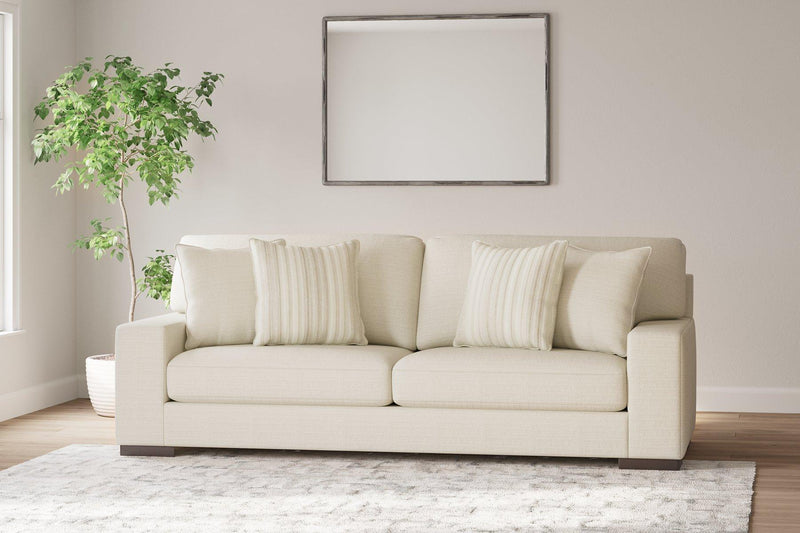
Your living room is the center of comfort, relaxation, and everyday gatherings. At American Furniture Warehouse, our living room furniture collection includes sofas, sectionals, chairs, and accent pieces designed to fit a variety of spaces and lifestyles. Each piece is selected for comfort, durability, and long-lasting value, helping you create a living room that feels both inviting and functional.
Explore our living room furniture selection today and find the perfect pieces for your home. Whether you’re updating one item or furnishing your entire living space, American Furniture Warehouse offers options that combine style, practicality, and everyday comfort.